The membrane examined while it is still a membrane.
Wet area rectification is the most expensive defect category in a new house, because reaching a layer worth a few hundred dollars means dismantling a finished room. The shower recess is where it starts, and the Austral records show it examined at lock-up before the tiler was anywhere near it. The photographs below were taken in Leppington, Oran Park or Austral, between two and eight kilometres from Catherine Field, and each caption names its suburb. We would rather tell you that than let another job pass as a local one.
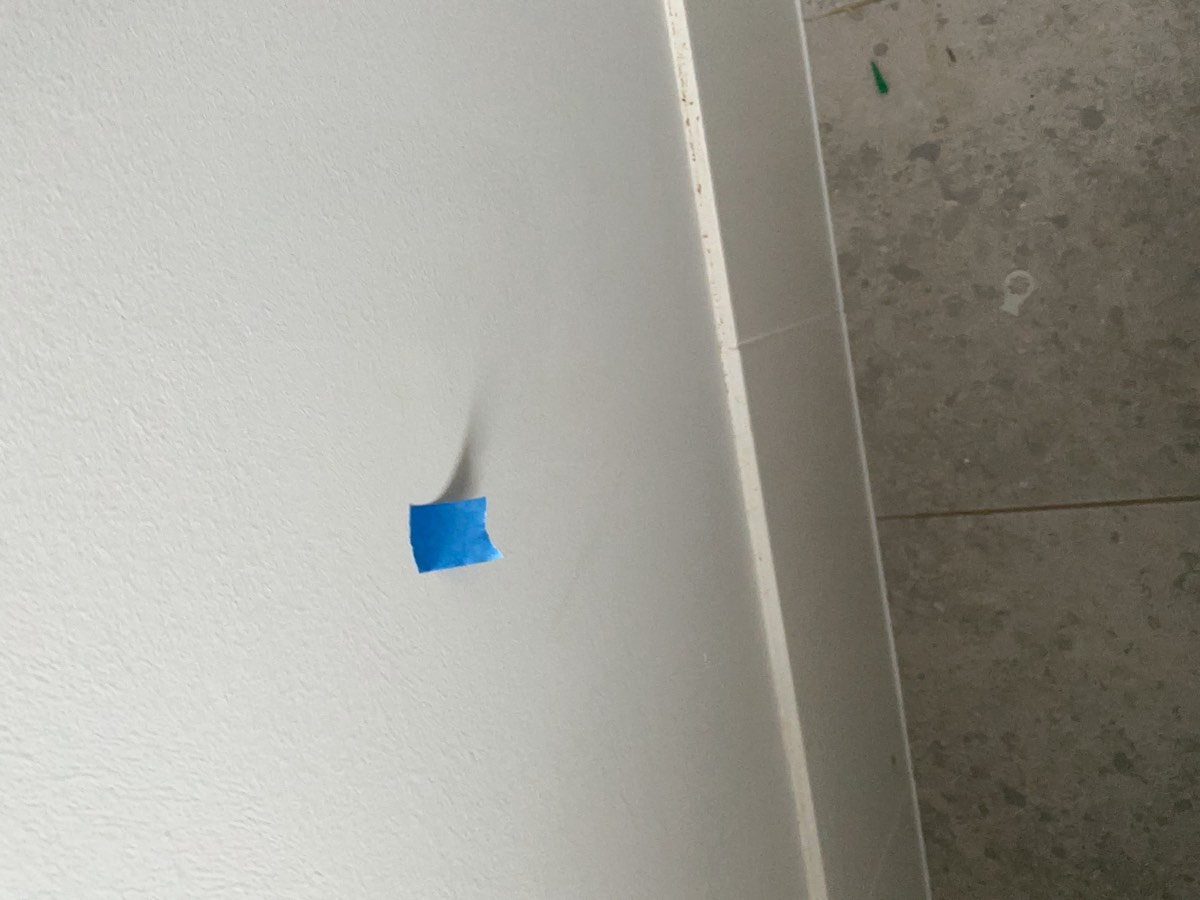
Annotated findings from Waterproofing inspections on Catherine Field builds. Client addresses withheld.
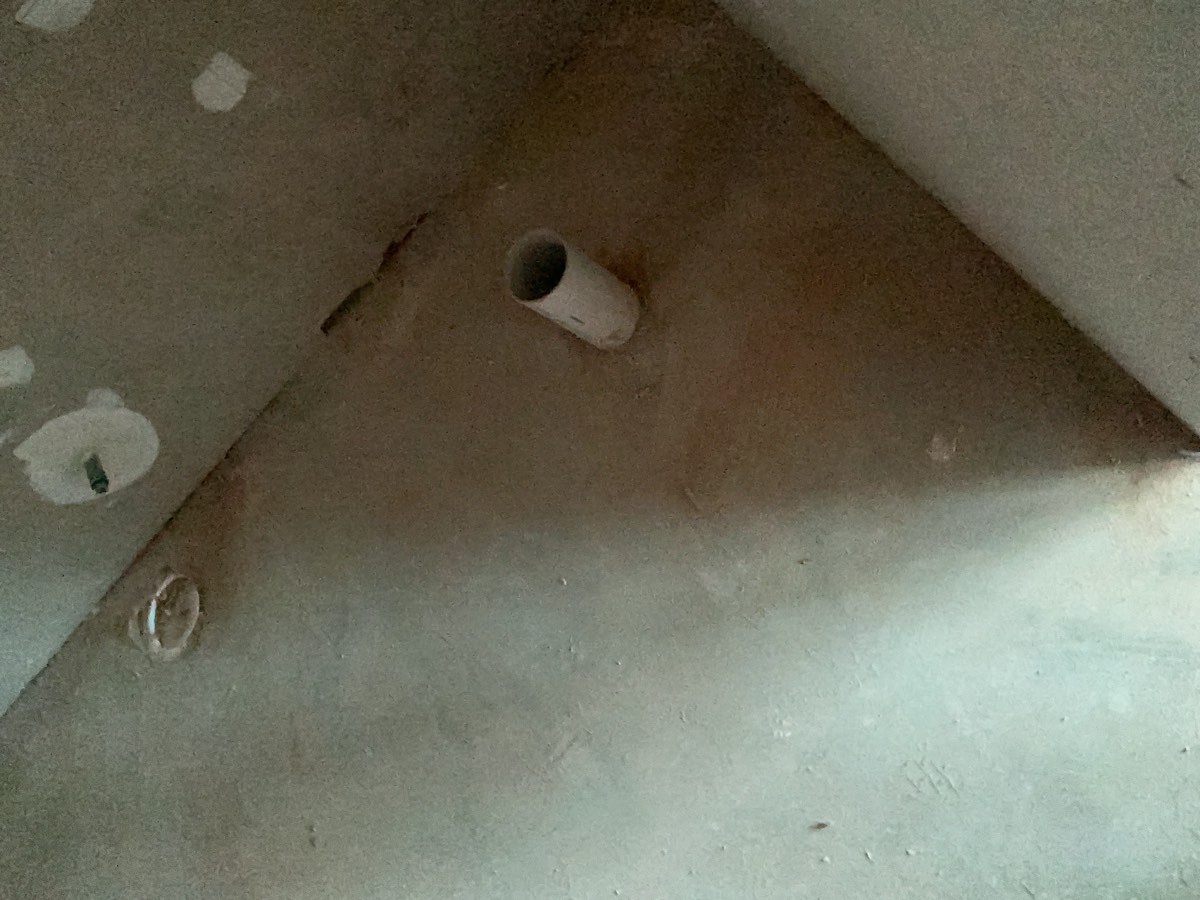
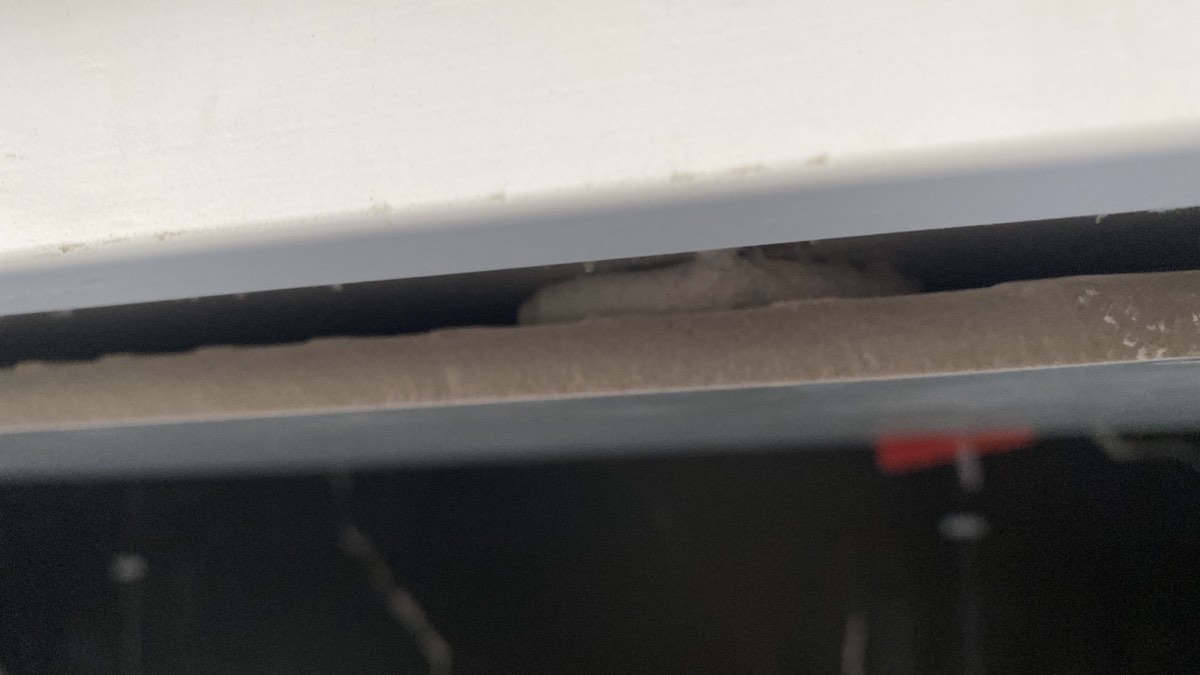
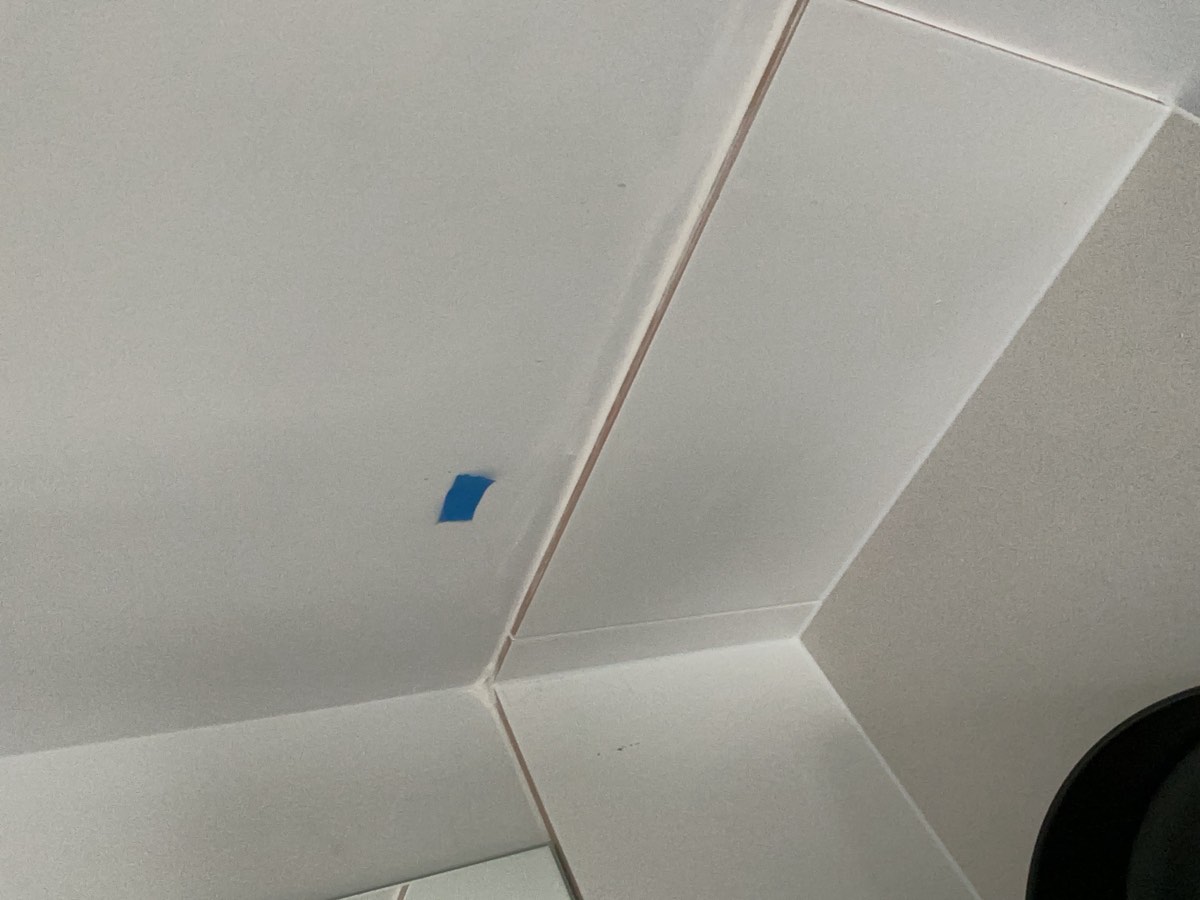
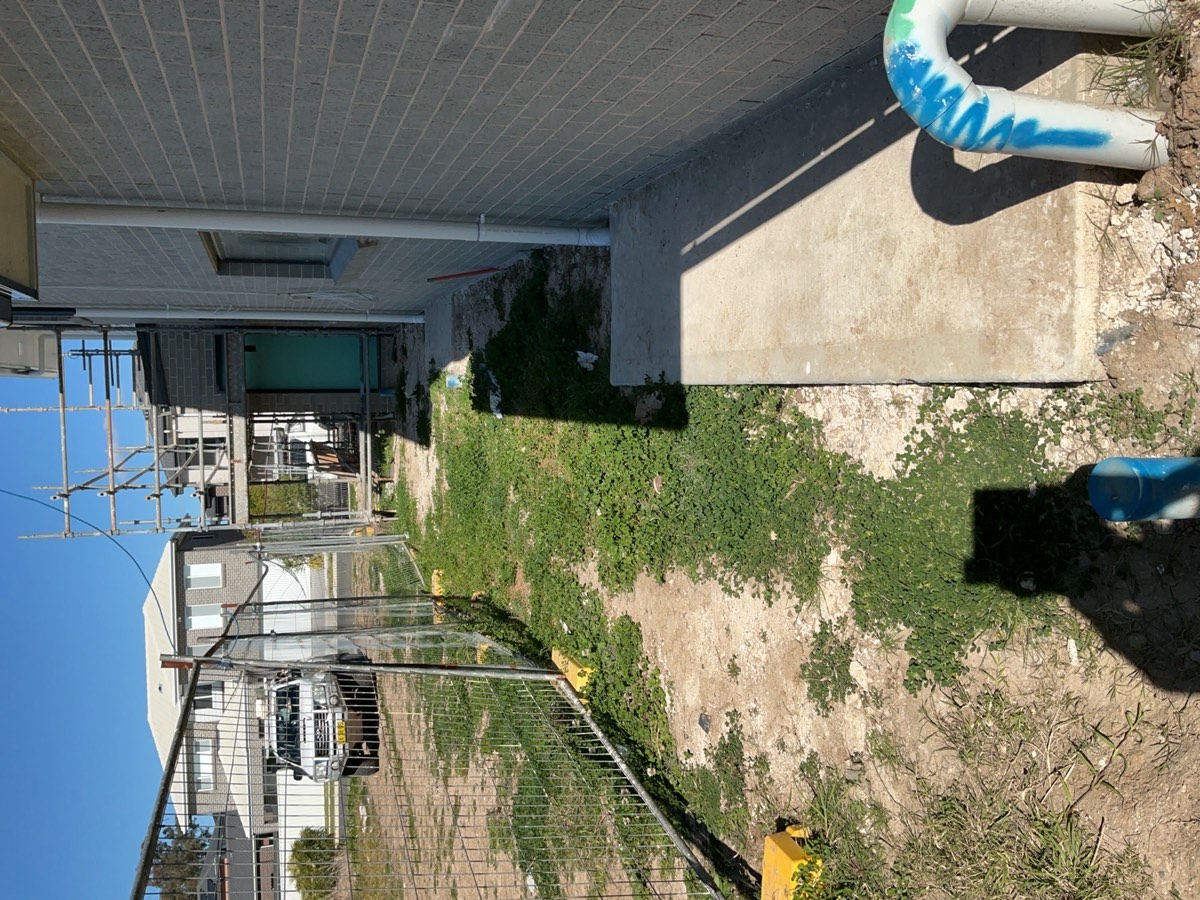 1Bored piersAfter boring and cage placement, before concrete2Slab pre-pourThe day before the pour, steel and formwork complete
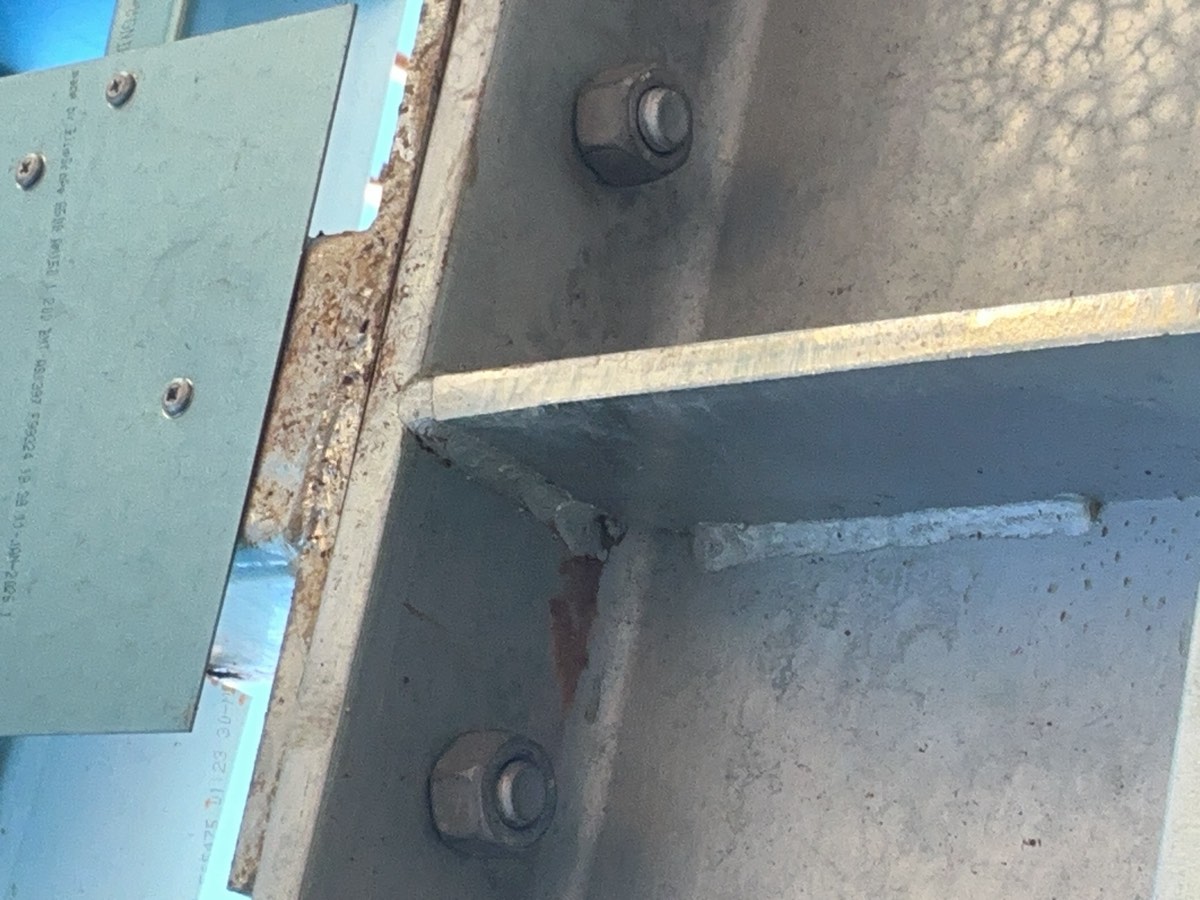 3FrameOnce frame and trusses are up and the roof is on, before lining
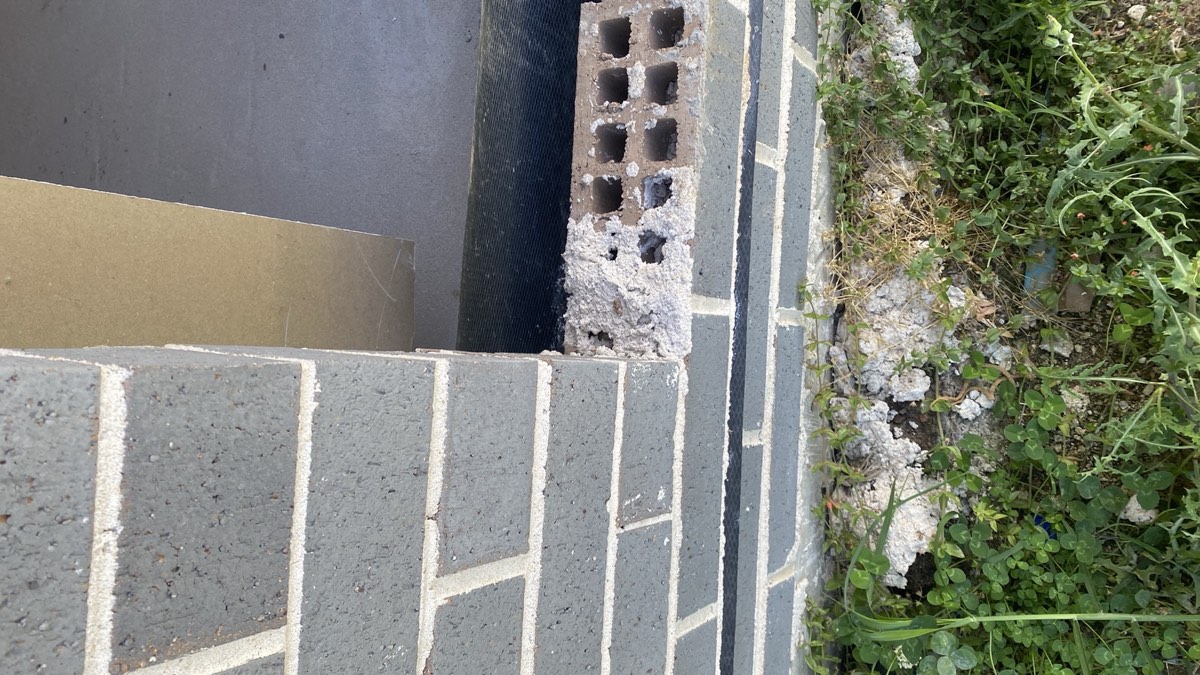 4Lock-up (pre-plaster)After roof, cladding and external doors, before plaster
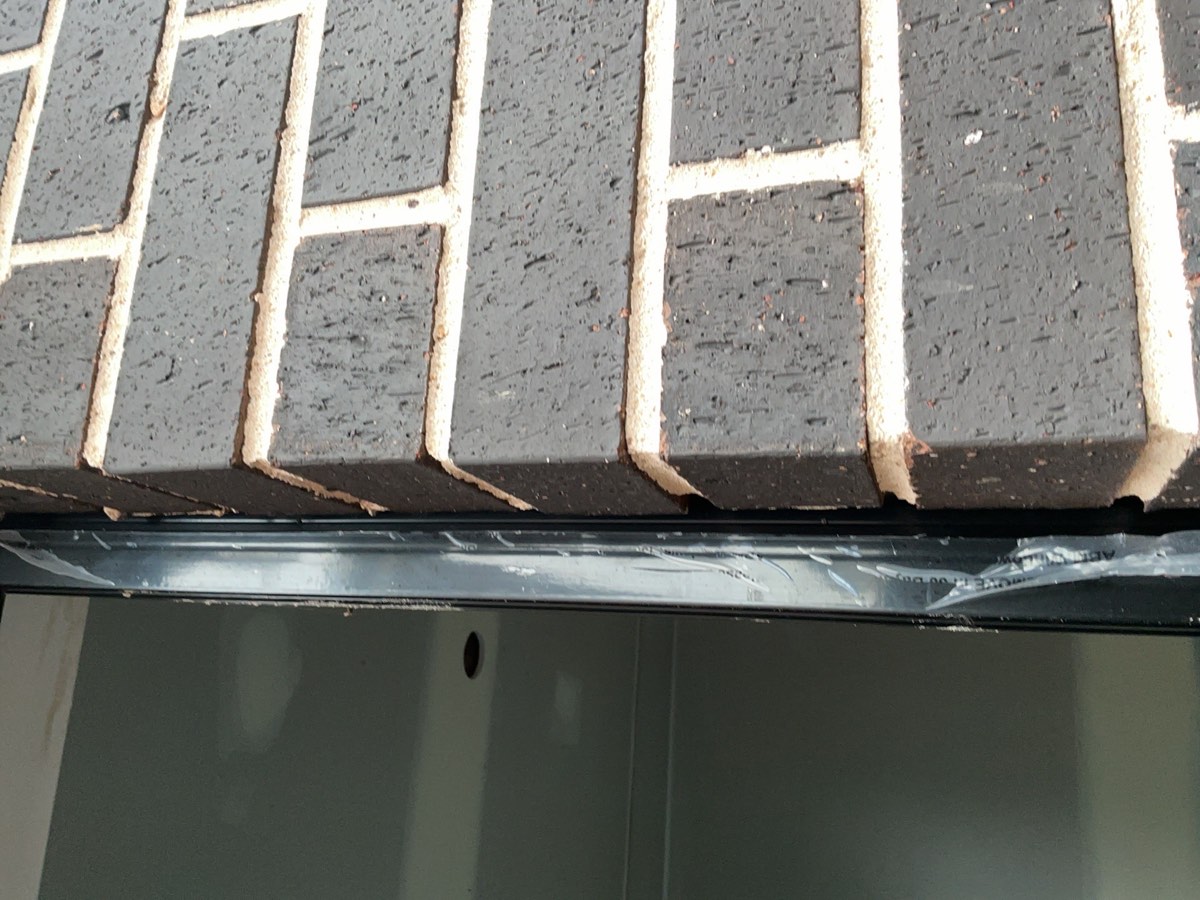 5FixingAfter mouldings, doors and joinery, before the painter
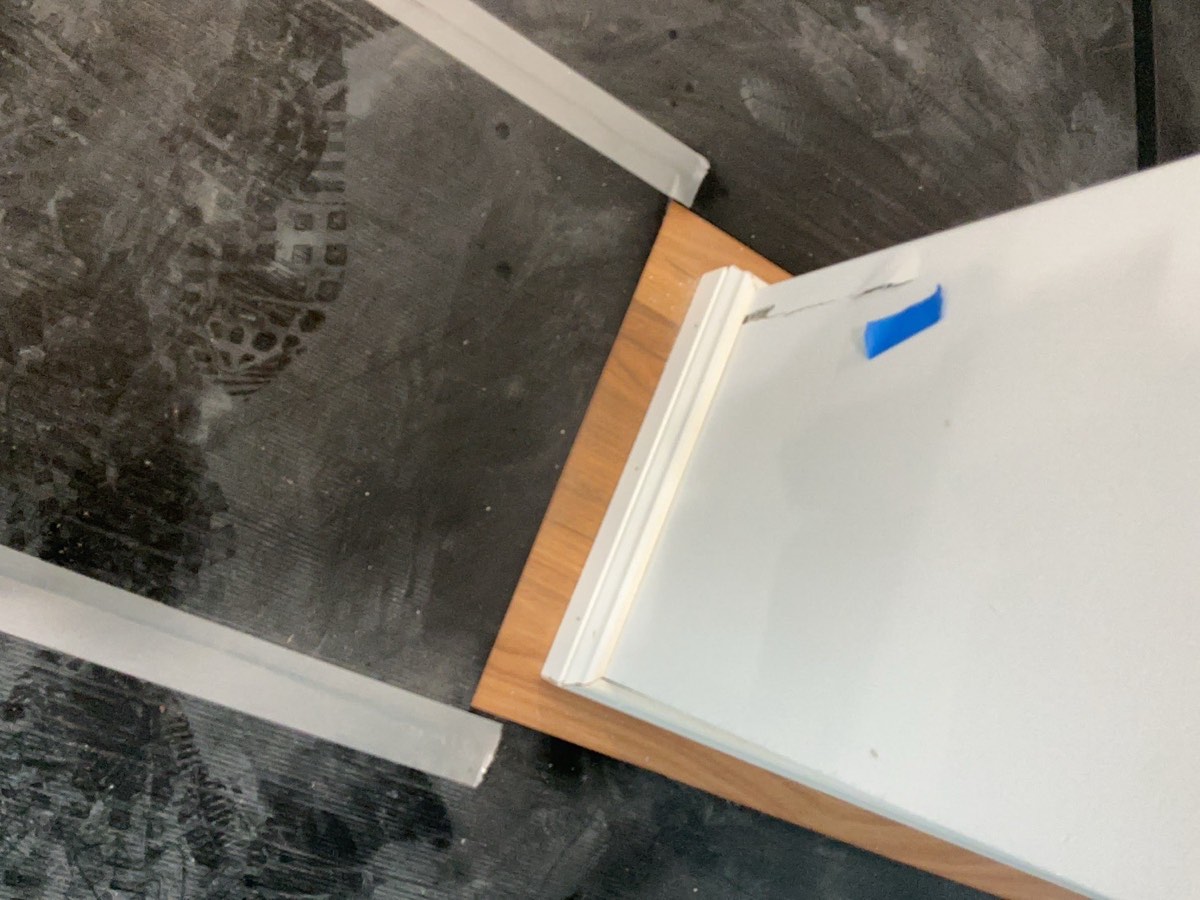 7Pre-handover (PCI)Two to three weeks before your handover date
Instant online pricing, or talk to the booking team on 1300 471 805.
AS 3740 for domestic wet areas, together with the National Construction Code and the ABCB Housing Provisions.
No. A flood test cuts across the waterproofer's own process and their warranty, so it belongs with them.
Two or three days is normal between the membrane curing and the tiler arriving, which is why the booking has to be arranged ahead rather than on the day.
A damp skirting, or a stain on the far side of the wall in the next room, always behind finished tiling and always expensive.
Anything still open is assessed, and the parts already sealed up are noted as such.
The builder owns it, and has to bring the waterproofer and the tiler back in sequence. The report hands them the location together with the clause.